
Back to selection
GEO Satellite
SESAT-1 (Siberia – Europe SATellite, Eutelsat-16C, Eutelsat SESAT) GEO
succesfull

De-orbited
Launch date
17 April 2000
Dedicated Mission
Country

Purpose
Communication
Position
-
Manufacturer
Operator
Launch operator
Launch vehicle
Proton K
Expected lifetime
15 Years
Regions
Europe Region
Russia & CIS Region
SESAT-1 (Siberia – Europe SATellite, Eutelsat-16C, Eutelsat SESAT)
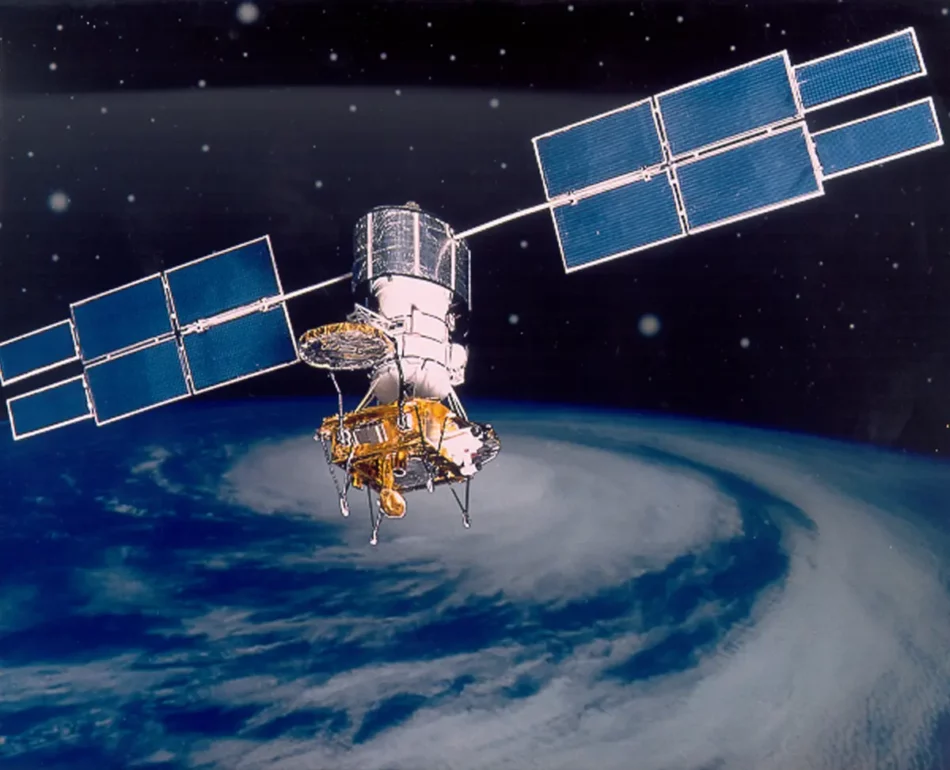
SESAT-1 (Siberia–Europe SATellite), later also known as Eutelsat-16C and Eutelsat SESAT, was a geostationary communications satellite designed to provide wide-area coverage between Europe and Siberia, with a strong focus on the Russian market. The satellite was operated by Eutelsat from France.
The satellite was built by NPO PM (Reshetnev) in cooperation with Alcatel Space (Thales Alenia Space), marking one of the earliest major collaborations between Russian and Western satellite manufacturers. SESAT-1 was launched on April 17, 2000, aboard a Proton-K/DM-2M rocket, operated by ILS, from Baikonur Cosmodrome, Kazakhstan.
SESAT-1 operated in geostationary orbit at 36° East and was equipped with Ku-band transponders, enabling television broadcasting, corporate networks, VSAT services, and data communications. Its coverage footprint extended from Western Europe across Russia to Siberia, making it particularly important for connectivity in remote and underserved regions.
Originally developed for Eutelsat in partnership with Russian stakeholders, the satellite played a key role in strengthening telecommunications infrastructure across Eurasia. Over its operational life, SESAT-1 was rebranded as Eutelsat-16C and later Eutelsat SESAT, reflecting changes in fleet naming and positioning.
SESAT-1 successfully exceeded its design life of about 10 years, remaining in service well into the 2010s before being retired and relocated to a graveyard orbit. The mission is widely regarded as a technological and commercial milestone, demonstrating effective East-West cooperation in satellite communications and paving the way for future joint satellite programs.
GEO Satellite
SESAT-1 (Siberia – Europe SATellite, Eutelsat-16C, Eutelsat SESAT)
succesfull
GEO Satellite
SESAT-1 (Siberia – Europe SATellite, Eutelsat-16C, Eutelsat SESAT)
succesfull
GEO Satellite
SESAT-1 (Siberia – Europe SATellite, Eutelsat-16C, Eutelsat SESAT)
succesfull